Tarrifs: why long-term effects are more harmful than expected (1/2)
关税:长期危害影响超出预估
Studies across the last two decades show that tariffs rarely deliver the benefits policymakers promise. While they may offer short-term relief, they typically increase prices, fuel inflation and create a cascade of unintended economic consequences for the very countries that impose them.
过去20年的研究表明,虽然关税可能会带来短期经济利益,但很少能带来政策制定者承诺的好处.关税通常会提高价格,加剧通货膨胀,并给实施它们的国家带来一连串意想不到的经济后果。
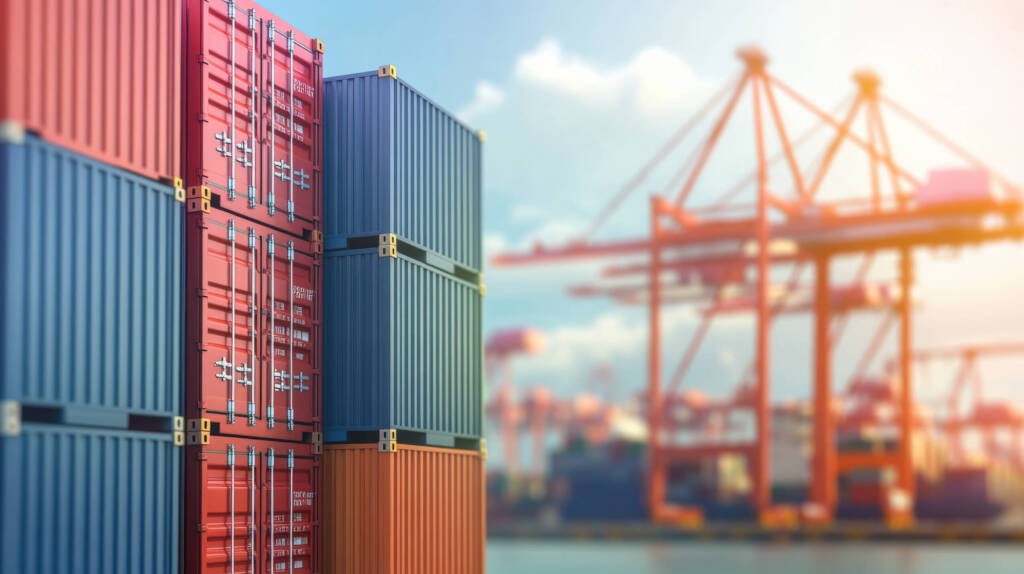
Tariffs can temporarily raise revenue, but long-term studies show consistent negative impacts on prices, jobs and global trade flows.
图片:关税可以暂时增加收入,但长期来看,对价格、就业和全球贸易流动的负面影响始终存在.
Multiple studies of the long-term effects of tariffs in the 20th and into the 21st centuries indicate that, with only a few exceptions, tariffs do more harm than good. Though they may provide short-term relief and often give the public a psychological “high,” tariffs typically act as painkillers – and like painkillers, they just give temporary relief.
对20世纪和21世纪关税长期影响的多项研究表明,除了少数例外,关税弊大于利.关税可能会提供短期经济效益,缓解短期经济压力,在公众看来,无疑是一种心理上的“强心针”,但关税实际上只是止痛药,效果不长,效过问题仍在.
Tariffs only enrich the General Fund of the government that levies them — consumers are typically not given a portion of the tariff to help offset higher prices. And prices will be higher. Example: If a country hits China with a 10% tariff on coffee makers, its government will collect 10% on all Chinese coffee makers sold to consumers in that country. But, before you can say “consumer savings,” the Chinese manufacturers will raise the price of coffee makers that it exports, and the retailers in the country that is imposing the tariff will raise the price of coffee makers by 10%, so it is the consumer who actually pays the cost of the tariff, not the Chinese manufacturers. AND increasing consumer prices automatically causes inflation that cannot easily be checked by central bank fund controls.
关税能充实征收关税的政府的普通基金,但具体消费者并不会受益,这笔钱不会给消费者来抵消上涨的物价.举例来说,如果一个国家对来自中国的咖啡机征收10%的关税,既消费者购买进入该国的中国咖啡机,费用将上涨10%.看起来似乎是政府增加收入,但别以为消费者能省钱,在此之前,为了应对该加税政策,中国制造商将提高其出口咖啡机的价格,而征收关税的国家的零售商将把咖啡机的价格提高10%,实际为该关税成本买单的是消费者,而不是中国制造商.而且不断上涨的消费价格会自动导致通货膨胀,而中央银行的资金控制很难控制通货膨胀.
The long-term costs of tariff policies
Thus, the current preoccupation of the U.S. Government with the imposition of tariffs presents the global community with a puzzling geopolitical reality that admits of no certain conclusions.
While there are many differing opinions on the value of tariffs, history clearly shows that, while short-term tariffs may be used to bring about strategic changes in relationships among nations, long-term tariffs are always damaging to the nation that imposes them. In the U.S., for example:
› Tariffs reduce the demand for foreign goods, which has historically led to the strengthening of the dollar, resulting in less global demand for American goods.
› The 2002 tariff increases on selected steel products backfired – U.S. Senator Lamar Alexander (R-Tennessee) observed that since “there were 10 times as many people in steel-using industries as there were in steel-producing industries… [steel-using industries] lost more jobs than exist in the steel industry.”
› A group of supply chain and operations management experts from Georgia State University, Colorado State University, Arizona State University, and Kuwait University found that the tariffs enacted in 2018 had a ripple effect of unintended consequences that negatively affected global supply chains. The group concluded that these tariffs had “an overall negative impact” on firm value that led to a decrease in the value of domestic producers within the protected industries.
› The 2018 U.S. tariffs increased costs by EUR 43.4 billion/year — a burden shouldered principally by U.S. companies and consumers. (NB: Per the Federal Reserve, while 1,000 jobs were added to the steel industry, 75,000 jobs were lost among industries using steel.)
› Tariffs of the permanent, rather than tactical/semi-strategic, type run afoul of the “Law of Unintended Consequences.”
关税政策的长期成本
美国政府目前的加征关税举措,给国际社会带来一个令人困惑的地缘政治现实,这个现实无法得出确定的结论。
›虽然对关税的价值有很多不同的看法,但历史清楚地表明,虽然短期关税可能被用来给国家间的关系带来战略变化,但长期关税总是对征收关税的国家造成损害.
›例如,历史上来看,在美国,关税减少消费者对外国商品的需求,导致美元走强,导致全球对美国商品的需求减少.2002年对特定钢铁产品的加税效果适得其反——美国参议员拉马尔·亚历山大(R-Tennessee)观察到,由于“钢铁消费行业的人数是钢铁生产行业的10倍……[钢铁消费行业]失去的就业机会比钢铁生产行业增加的就业机会多。”
›来自佐治亚州立大学、科罗拉多州立大学、亚利桑那州立大学和科威特大学的一组供应链和运营管理专家发现,2018年颁布的关税产生了意想不到的连锁反应,对全球供应链产生负面影响.该组织的结论是,这些关税对企业价值产生了“总体负面影响”,导致受保护行业内国内生产商的价值下降.
› 2018年美国关税使成本每年增加434亿欧元,这一成本主要由美国公司和消费者承担(注:根据美联储的数据,虽然钢铁行业增加了1,000个工作岗位,但钢铁消费行业却减少了75,000个工作岗位.)
›永久性关税,而非战术/半战略性关税,违反了“意外后果定律”. (意外后果定律:一种社会学原理,指的是行动或决策可能产生预料之外的后果,这些后果可能是有益的,也可能是有害的)
Supply managers have been warned for years that it is difficult to manage supply chain risk when buying products from (1) manufacturers a world away and (2) potential adversaries, says Timothy R. Fiore, CPSM, C.P.M., chair of the Institute for Supply Management (ISM) Manufacturing Business Survey Committee. “Supply managers should be prepared for this,” he says. “In actuality, we likely are not.” No matter which side of the political aisle one feels most comfortable occupying, tariffs always hurt the country imposing them.
供应管理协会(ISM)制造业商业调查委员会主席、CPSM、C.P.M Timothy R. Fiore说,供应经理多年来一直被警告:从别国制造商或潜在对手那里购买产品时,很难管理供应链风险.“供应经理们应该为此做好准备,”他表示.“实际上,我们可能没做准备”.无论你觉得站在政治通道的哪一边最舒服,关税总是会伤害征收关税的国家.
备注:
本文章原文来自欧洲涂料网站: https://www.european-coatings.com/news/markets-companies/tarrifs-why-long-term-effects-are-more-harmful-than-expected-1-2/
最初发布时间:28.11.2025
作者:George R. Pilcher, The ChemQuest Group
图片来源:SMART.art - stock.adobe.com
翻译为广州九维提供. |